| 
< BACK
TO PRODUCTS PAGE
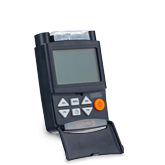
Galvanic Stimulation
High Voltage Pulsed Galvanic
Stimulation


PGS123
High Voltage Pulsed Galvanic
Stimulation


DIGITAL

Galvanic
stimulation is most useful in acute injuries associated with major
tissue trauma with bleeding or swelling. In contrast to TENS and
IFC units, which apply alternating current, galvanic stimulators
apply direct current.
Direct current creates an electrical field over the treated area
that, theoretically, changes blood flow. The positive pad behaves
like ice, causing reduced circulation to the area under the pad
and reduction in swelling. The negative pad behaves like heat, causing
increased circulation, reportedly speeding healing. The Galvanic
Stimulator (direct current) is the best modality for iontophoresis
treatments.
High-voltage pulsed galvanic stimulation (HVPGS) is gaining widespread
use for wound healing, edema reduction and pain relief Carpal Tunnel
Syndrome and Diabetic Foot are two major areas of use. Devices in
this class are characterized by a unique twin- peak monophasic waveform
with very short pulse duration (microseconds) and a therapeutic
voltage greater than 100 volts. The combination of very short pulse
duration and high peak current, yet low total current per second
(Microcurrent) allows relatively comfortable stimulation. Furthermore,
this combination provides an efficient means of exciting sensory,
motor and pain-conducting nerve fibers. Perceptual discrimination
of those responses is relatively easy to achieve and thus its clinical
versatility. Back Ground Skin offers a great amount of resistance
to the flow of electrical current. When current is passed through
a circuit that contains resistors, voltage drop occurs and energy
is lost. This phenomenon occurs when traditional low voltage units
are used in treatment A high voltage device produces a spontaneous
breakdown in skin resistance and HVPGS current passes through the
skin with negligible thermal and electrochemical effects. The first
high voltage stimulator was developed by Bell Telephone Laboratories
in 1945. By decreasing the pulse duration and increasing the voltage,
the developers noted that deep tissues could be stimulated without
producing tissue damage. The first published report (I 966) described
its effectiveness in wound healing of animal limbs. High-Voltage
Pulsed Galvanic Stimulation
|